
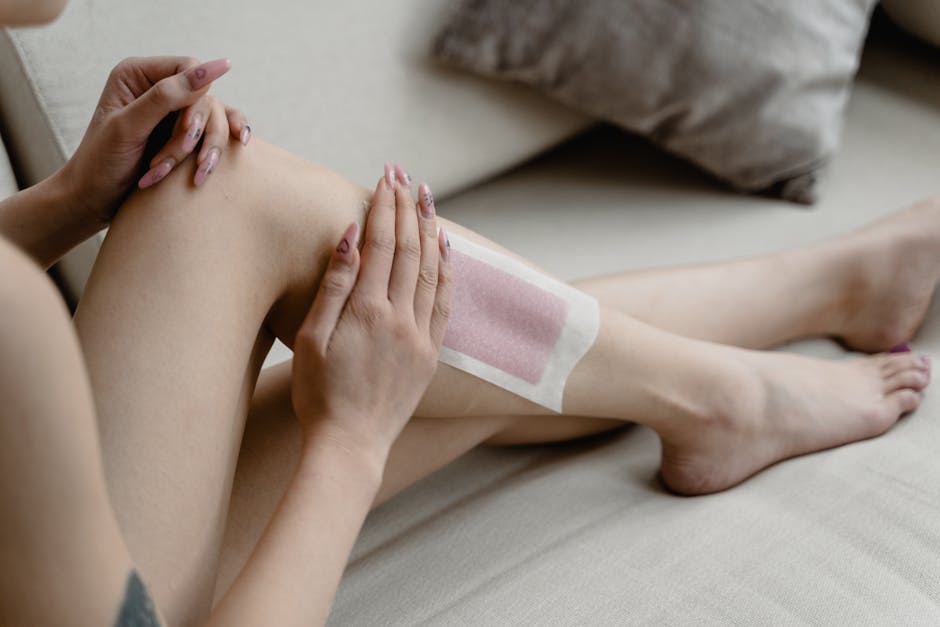
 Photo from Pexels
Originally Posted On: https://alitelaser.com/how-to-soothe-red-bumps-after-waxing/
Red Bumps After Waxing: Why They Happen and How to Soothe Them
You finished your wax appointment, your skin looked smooth, and then a few hours later, the red bumps appeared. It’s one of the most common concerns our clients bring to us, and the good news is that in most cases it’s completely normal and very manageable.
Red bumps after waxing are typically a sign that your skin is responding to the trauma of hair removal, not that something has gone wrong. That said, knowing the difference between a normal reaction and one that needs attention can save you a lot of unnecessary discomfort, and a few simple steps taken right after your appointment can significantly improve how your skin recovers.
Here’s what’s actually happening beneath the surface, and what you can do about it.
Why Do You Get Red Bumps After Waxing?
When hair is pulled from the follicle, the surrounding skin experiences localized inflammation. For most people, this shows up as small red dots or bumps at the follicle openings, particularly in areas with coarser or denser hair.
A few things drive this response:
- Follicular inflammation is the most common cause. The follicle swells slightly after hair removal, creating the characteristic red dot at each extraction site.
- Heat sensitivity plays a role, too. Waxing itself generates heat, and skin freshly waxed is temporarily more reactive to environmental heat, sun exposure, and friction.
- Skin type and sensitivity vary considerably. Clients with naturally sensitive skin, reactive skin conditions, or those waxing for the first time tend to see more pronounced redness.
- The treatment area matters. Thinner skin, such as the bikini line, underarms, and face, tends to react more visibly than areas like the legs or arms.
In most cases, these bumps settle within 24 to 48 hours without any intervention. If they persist beyond that window or worsen, that’s worth paying closer attention to.
Types of Reactions: What You’re Actually Seeing
Not all post-wax bumps are the same, and the appearance of the reaction can help you understand what’s going on.
Red dots or small raised bumps immediately after waxing are almost always follicular inflammation. They’re the most common type and typically resolve quickly.
Pimples or whiteheads appearing 24 to 72 hours after waxing are usually the result of a blocked follicle. When the follicle is open from waxing, it can become clogged with oil, dead skin, or bacteria, particularly if skin care products are applied too soon or the area isn’t kept clean.
Blisters after waxing are less common and are usually caused by wax that was too hot, skin that was over-exfoliated before the appointment, or the use of retinoids or exfoliating acids close to the treatment date. These need more careful aftercare and should not be picked or popped.
A broader rash or hives across the treatment area can sometimes indicate a reaction to the wax itself. This is rare but worth flagging with your esthetician so the wax formula can be adjusted for future appointments.
At Alite Laser, our licensed estheticians use professional-grade wax formulas tailored to different skin types, and we assess the skin before treatment to help minimize the risk of more severe reactions. If you’re new to waxing or have reactive skin, mentioning this during your consultation makes a real difference in how we approach the service.
How to Soothe Red Bumps After Waxing
The first 24 hours after your appointment are the most important for skin recovery. These steps work with your skin’s natural healing process rather than against it.
Apply a cool, damp compress. Immediately after your appointment, a clean, cool cloth held gently against the skin for 10 to 15 minutes reduces inflammation and provides quick relief from the initial heat and redness.
Use a fragrance-free, calming product. Look for ingredients like aloe vera, witch hazel, or a gentle hydrocortisone cream for more reactive skin. Avoid anything with fragrance, alcohol, or active acids during the first 48 hours, as these will aggravate already-sensitized skin.
Keep the area clean and breathable. Loose clothing reduces friction against freshly waxed skin. Tight waistbands, synthetic fabrics, or anything that traps heat against the skin can worsen redness, particularly in bikini and underarm areas.
Skip the gym for 24 hours. Sweat introduces bacteria into open follicles and can turn minor redness into a more uncomfortable breakout. Heat from exercise also prolongs the inflammatory response.
Avoid sun exposure. Freshly waxed skin is significantly more photosensitive. Even brief sun exposure on the day of your appointment can cause burns, hyperpigmentation, or worsen redness. If you can’t avoid it, use a broad-spectrum SPF 30 or higher on exposed areas.
Bikini and Brazilian Wax Bumps: What to Expect
The bikini and Brazilian areas are among the most reactive zones for post-wax bumps. The skin here is thin, folds create friction, and the hair in this area tends to be coarser, requiring more tension during removal.
Post-bikini wax bumps are very common, especially after the first few appointments. With regular waxing, the hair becomes finer over time, and the skin adapts to the process, meaning reactions typically become less pronounced after three to four sessions.
For the first 48 hours after a bikini or Brazilian wax, wear loose cotton underwear, avoid tight waistbands, skip swimming pools or hot tubs, and hold off on sexual activity. All of these introduce friction, bacteria, or chemical exposure to the skin, which is temporarily more vulnerable.
If you’re considering a longer-term solution for the area, our team often discusses whether laser hair removal might be a better fit for certain clients who experience recurring significant reactions to waxing.
Bumps on the Face After Waxing
Facial skin is thinner and more reactive than most other areas, which means post-wax redness on the upper lip, chin, eyebrows, and cheeks can look more alarming even when it’s a minor reaction.
The same principles apply, but with a few additions specific to the face. Avoid applying makeup to freshly waxed facial skin for at least 24 hours. Makeup brushes harbor bacteria, and the pigments and preservatives in foundation and concealer can clog open follicles from waxing.
If you use topical prescription products such as tretinoin, adapalene, or other retinoids, stop using them for at least 5 days before and after facial waxing. These thin the skin and significantly increase the risk of burns and peeling.
How to Prevent Bumps After Waxing
Preparation before your appointment has as much impact on your skin’s reaction as anything you do afterward.
Hair length matters. Hair that is too short won’t be gripped effectively by the wax, leading to repeated passes over the same area and more skin trauma. Our guide on how long your hair needs to be before waxing covers this in detail, but the general rule is at least a quarter inch of growth.
Exfoliate gently two to three days before your appointment. Removing dead skin cells before waxing helps the wax adhere cleanly to the hair rather than the skin surface. Do not exfoliate on the day of your appointment.
Avoid retinoids and exfoliating acids for at least five days before. As mentioned above, these thin the skin barrier and increase the likelihood of sensitivity reactions.
Stay hydrated and avoid caffeine and alcohol the day before. Both caffeine and alcohol temporarily make the skin more sensitive. Well-hydrated skin responds better to waxing and heals faster afterward.
Consider your timing. Skin tends to be more sensitive in the days leading up to menstruation due to hormonal changes. If you notice your skin reacts more significantly at certain times of the month, adjusting your appointment timing can help.
At Alite Laser, we also discuss aftercare before your first appointment so you’re set up for the best possible result rather than finding out what to avoid after the fact. You can review our full waxing services and waxing pricing if you’d like to get started.
When to See a Professional
Most post-wax reactions clear within 48 hours. These signs indicate something more than a standard reaction and warrant a call to your esthetician or a dermatologist:
- Bumps that are increasing in size, warmth, or pain after 48 hours
- Pustules or signs of infection (thick discharge, spreading redness, fever)
- Significant peeling or skin lifting in the treated area
- A rash that spreads beyond the waxed zone
- Recurring severe reactions that don’t improve with subsequent appointments
We’ve worked with clients at our Austin locations who switched from at-home waxing kits to professional services specifically because of persistent reactions. In many cases, the issue was wax temperature or technique, both of which are controlled variables in a professional setting. For clients who’ve had ongoing difficulty with waxing reactions, we sometimes recommend exploring whether switching from laser to waxing, or vice versa, might better suit their skin long-term.
Ready for Smoother, Less Reactive Results?
Red bumps are a common part of the waxing experience, especially early on, but they don’t have to be something you just put up with. The right preparation, professional technique, and a few simple aftercare steps make a significant difference in how your skin responds and recovers.
If you’re dealing with recurring reactions or just want a better experience than you’ve had elsewhere, our licensed estheticians at Alite Laser are here to help. We serve clients across Central Austin, Cedar Park, Round Rock, Onion Creek, and surrounding areas. Meet our team or contact us to book your appointment.
Related Services: Waxing | Laser Hair Removal | Waxing Pricing | View All Services
Legal Disclaimer: The information in this post is intended for general educational purposes only and does not constitute medical or dermatological advice. Individual skin responses vary. If you experience severe, worsening, or prolonged reactions after waxing, consult a licensed dermatologist or qualified skincare professional before continuing treatment.
