
Exxel Mechanical Services Explains How HVAC Systems Improve Indoor Air
Mt Airy, United States – March 2, 2026 / Gauge Digital Media /
Exxel Mechanical Services Highlights the Critical Link Between HVAC Performance and Indoor Air Quality
Maryland HVAC provider explains how filtration, ventilation, and maintenance improve healthier indoor environments
Indoor air pollution is often assumed to originate outdoors, yet research consistently shows that indoor environments can contain higher concentrations of harmful pollutants. Dust, allergens, mold spores, chemical vapors, and excess humidity frequently accumulate when airflow and filtration are insufficient. Over time, these pollutants may contribute to persistent health symptoms, unpleasant odors, and comfort issues that are not always immediately traceable to air quality.
Exxel Mechanical Services emphasizes that HVAC systems play a central role in shaping indoor air quality. Beyond regulating temperature, these systems manage airflow, remove airborne contaminants, balance humidity, and facilitate proper ventilation. When designed, installed, and maintained correctly, HVAC systems actively improve indoor air conditions rather than simply circulating pollutants.
Defining Indoor Air Quality and Its Impact
Indoor air quality (IAQ) refers to the condition of air within enclosed spaces and its effect on occupant health and comfort. High-quality indoor air is characterized by effective circulation, balanced humidity, and minimal airborne contaminants. Conversely, poor IAQ develops when pollutants accumulate faster than they are removed.
The effects of degraded indoor air often appear gradually. Individuals may experience fatigue, headaches, congestion, or dry eyes without immediately recognizing air quality as the cause. Prolonged exposure can aggravate asthma, allergies, and other respiratory concerns. In commercial settings, poor IAQ may also contribute to reduced productivity and increased absenteeism.
Several factors influence IAQ, including building design, occupancy patterns, outdoor air conditions, and HVAC system efficiency. Modern energy-efficient construction often limits natural air exchange, increasing reliance on mechanical ventilation systems. Without adequate filtration and airflow management, contaminants can remain trapped indoors.
Common Sources of Indoor Air Pollution
Indoor pollutants originate from everyday materials and activities. Dust and fine particles accumulate from carpets, furniture, and flooring. Pet dander and outdoor pollen enter through doors and windows. Volatile organic compounds (VOCs) are emitted from cleaning products, paints, and furnishings.
Excess moisture may promote mold growth, while fuel-burning appliances can introduce combustion byproducts. Carbon monoxide, in particular, poses a serious risk if heating systems malfunction or ventilation pathways become obstructed.
Because many contaminants are invisible or odorless, property owners may remain unaware of declining air quality. These risks underscore the importance of properly functioning HVAC systems capable of managing airflow and filtration effectively.
How HVAC Systems Influence Air Quality
HVAC systems serve as the primary mechanism for air movement within a building. During each heating or cooling cycle, air is drawn into the system, conditioned, and redistributed throughout the space. As a result, HVAC performance directly affects indoor air conditions.
Filtration systems capture airborne particles before air is recirculated. Ventilation components introduce fresh outdoor air while removing stale indoor air, helping dilute pollutants and maintain oxygen levels. Humidity control prevents conditions that foster mold growth or cause respiratory discomfort.
When HVAC systems are outdated, improperly sized, or poorly maintained, these essential functions diminish. Even if temperature control appears adequate, compromised airflow or filtration can allow pollutants to persist.
The Importance of Effective Filtration
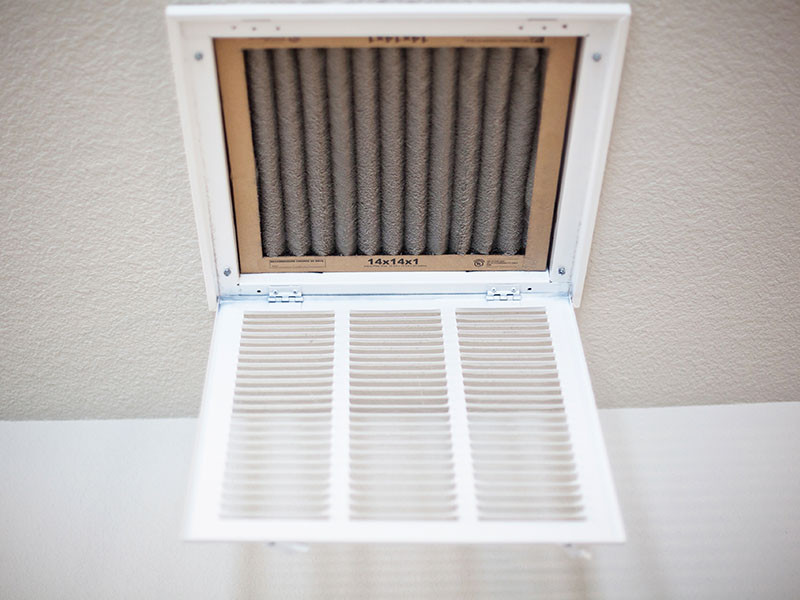
Air filtration remains one of the most important elements of indoor air quality management. Standard filters remove larger debris such as dust and lint, while higher-efficiency filters capture smaller particles including pollen, mold spores, and certain bacteria.
Selecting the appropriate filtration level requires balancing air-cleaning performance with system airflow capacity. Clogged or neglected filters restrict airflow, reduce energy efficiency, and permit contaminants to bypass filtration.
Advanced options, such as media filters and electronic air cleaners, provide enhanced protection for individuals with allergies or respiratory sensitivities. When integrated properly, these solutions improve air quality without compromising system performance.
Maintenance and System Improvements That Enhance IAQ
Routine HVAC maintenance is critical to sustaining healthy indoor air. Regular filter replacement, duct inspection and sealing, coil cleaning, and drain line maintenance all contribute to improved air circulation and contaminant control.
Leaky or contaminated ductwork can introduce additional pollutants into the system while reducing efficiency. Sealing ducts and ensuring clean airflow pathways supports both energy savings and air quality improvement.
Upgrading filtration systems, calibrating humidity controls, and verifying system sizing further enhance overall performance. Proactive maintenance ensures that HVAC systems deliver both temperature regulation and effective air quality management.
The Broader Benefits of Improved Indoor Air Quality
Enhancing indoor air quality offers benefits that extend beyond cleaner air. Health improvements may include reduced allergy symptoms, fewer respiratory irritations, and better sleep quality. Balanced humidity eliminates hot and cold spots while preventing overly dry or damp conditions.
Energy efficiency also improves when HVAC systems operate without obstruction or strain. Clean components and sealed ducts reduce energy consumption, lower utility costs, and extend equipment lifespan.
For Maryland homeowners, prioritizing IAQ contributes to a healthier, more comfortable indoor environment while supporting long-term system reliability.
Partnering With Exxel Mechanical Services
Exxel Mechanical Services provides HVAC solutions designed to optimize both comfort and indoor air quality. Through professional system evaluations, maintenance programs, and performance upgrades, the company helps homeowners address underlying airflow and filtration concerns.
By focusing on precision workmanship and long-term reliability, Exxel Mechanical Services ensures HVAC systems operate efficiently while supporting healthier indoor environments. Homeowners seeking to improve air quality and overall system performance are encouraged to contact Exxel Mechanical Services to explore available IAQ solutions.


Contact Information:
Exxel Mechanical Services
7943 Dollyhyde Rd
Mt Airy, MD 21771
United States
Robert Gunning
(443) 821-1040
https://exxelmechanical.com/

Original Source: https://exxelmechanical.com/blog/the-importance-of-indoor-air-quality-and-how-your-hvac-system-plays-a-role/